Be familiar – Lina Gabrijolavičienė is a doula who focuses on helping women understand their bodies. This time, we spoke with her about the perineum.
What would you like every pregnant woman to know about the perineum, especially if they might not realize its importance?
I really like showing women a short video about their anatomy, which can help them understand what’s worth preserving (YouTube – The Internal Clitoris).
If you know where the perineum is, what it consists of, and how it works, you have a much better chance of keeping it healthy. This means avoiding unnecessary cuts or tears to muscles, nerves, skin, and blood vessels, preventing later physical discomfort while sitting, controlling urine, during intimacy, or even while dancing. You reduce the risk of a scar healing poorly and needing help later. You also avoid additional psychological challenges when accepting your changed body as a mother. But ultimately, your body—your choices. If you don’t want to go deeper into this topic, you don’t have to.
Some cultures have specific perineal care rituals after birth. Can you share insights or experiences with these practices?
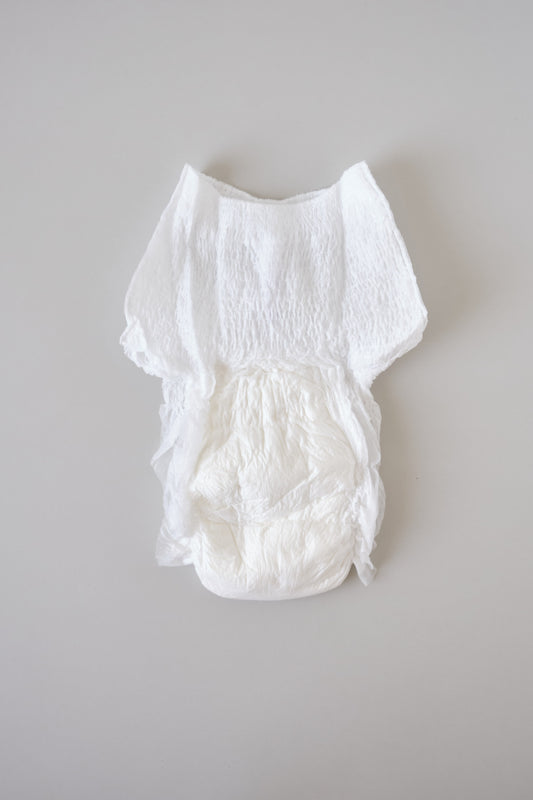
After birth – regardless of whether there was tearing or an episiotomy – not only the perineum but all pelvic floor muscles, vaginal mucosa, and the entire vulva are sensitive. These areas have endured a significant strain, probably the highest ever experienced. They need care. In the first 24 hours, cooling can help—using special products or something simple like a pad chilled in the freezer and moistened with lavender mist. Later, gentle warmth helps: a warm water bottle, a towel heated on a radiator, or sitz baths (sometimes with herbs) popular in German-speaking countries. Air baths—simply spending time without underwear—also support recovery.
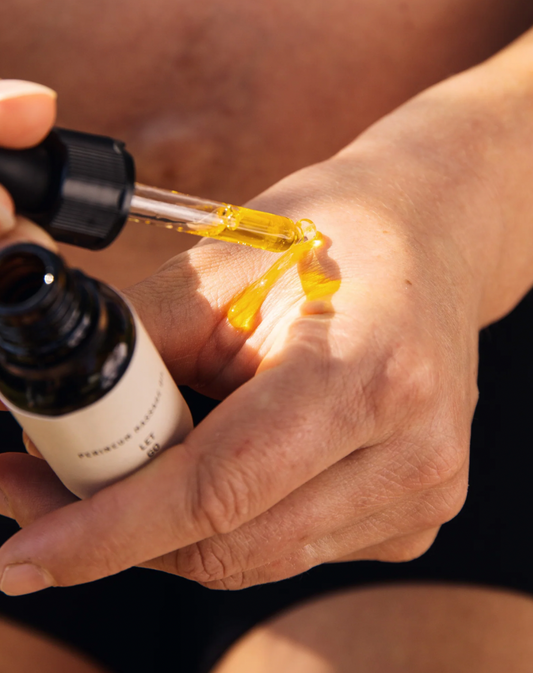
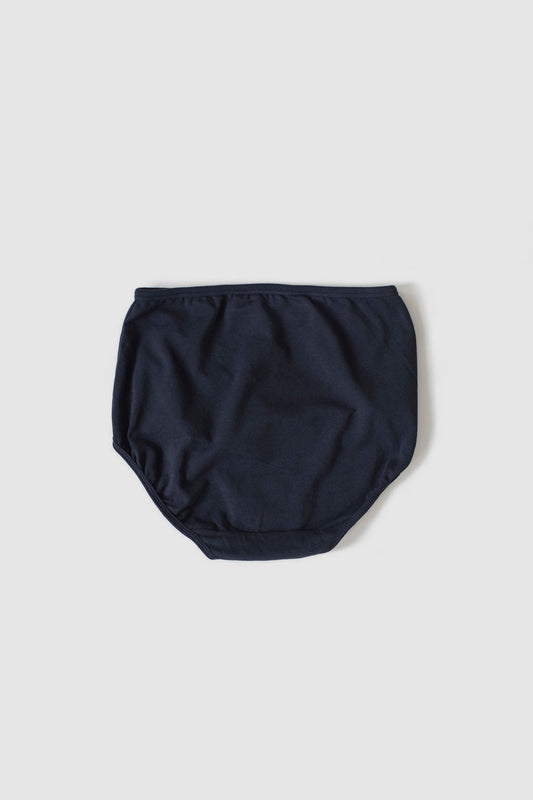
If there’s a scar (already healed, after a few weeks), it’s important to massage it—just a minute or two, a few times a day—to reactivate circulation, restore sensitivity, and help all layers function properly again. Hygiene is crucial: always clean hands, natural-fabric underwear, and eco-friendly pads without bleaching or chemicals to avoid disturbing the natural microbiome. Nutrition also plays a role—seasonal, varied, fresh foods really do support perineal health.
There are different opinions on episiotomy (perineal cutting during birth). What’s your position and how often is it recommended or performed?
There’s no scientific evidence that episiotomy helps keep the perineum healthier, and that’s a major point. Yes, it’s common (one of the most popular surgical techniques globally!), but its benefit is unproven. What is clear is that it causes pain and discomfort for several weeks. Lithuanian midwifery recommendations state that “routine episiotomy for all women does not reduce anal or rectal tears and may even increase overall birth canal injuries and infections.” In fact, episiotomy itself can sometimes contribute to additional tearing during birth. While official guidance says it shouldn’t be done without consent, in practice, the reality can be different. For women who find it hard to voice their needs, this can be a significant challenge.
Perineal massage is often suggested to prevent tearing or cutting. How effective is it and what are the best practices?
Research worldwide has not proven that perineal massage during pregnancy helps preserve a healthy perineum during birth. It also hasn’t been shown to be harmful. So, the recommendation is: if it feels good, helps you connect with your partner, or helps you explore and understand your body, go for it. If not, it’s completely optional.